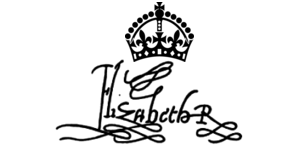


Queen Elizabeth I
Homework Helper
Born: 7 September 1533 at Greenwich Palace, London.
Full Name: Elizabeth Tudor.
Appearance: Golden red hair and brown eyes.
Parents: King Henry VIII (1491-1547) and his second wife Anne Boleyn (c.1504, executed 19 May 1536)
Children: The Queen did not have any children.
Marital Status: Never married.
Religion: Protestant (Anglican). Elizabeth was Supreme Governor (effectively head) of the Church of England
(and Wales).
Ruling House:Tudor
Ruled: England, Wales, Ireland. Elizabeth was also titled Queen of France, as was traditional for the
English monarch, but she did not actually rule France.
Accomplishments: Spoke several languages fluently, including Latin and French; played several musical
instruments; excelled at horse riding and hunting; skilled in needlework.
Siblings:
1 Queen Mary I (1516-1558) daughter of Catherine of Aragon (1485-1536), Henry's first wife.
2. King Edward VI (1537-1553) son of Jane Seymour (c.1507-1537), Henry's third wife.
3. Henry Fitzroy, Duke of Richmond (1519-1536), Henry's illegitimate son by Elizabeth Blount (c.1502-1540).
Main Childhood Home: Palace of Hatfield, Hertfordshire.
Governesses and Carers:
1. Margaret Bourchier, Baroness Bryan (c.1468-c.1552).
2. Blanche Herbert, Lady Troy (c.1470-c.1557)
3. Kateryn Champernon Astley (c.1506-1565).
4. Blanche Parry (c.1508-1590).
Tutors:
1. William Grindal (died 1548)
2. Roger Ascham (1515-1568)
Imprisoned in the Tower of London: Elizabeth was brought to the Tower by Traitor's Gate on Palm Sunday 1554 and imprisoned in the Bell Tower until May. Queen Mary and her advisors believed Elizabeth had conspired with the traitor Sir Thomas Wyatt (1521-1554) to seize the throne for herself and Edward Courtenay, Earl of Devon (1527-1556).
Imprisoned Woodstock Manor: Elizabeth was confined here for a year after being released from The Tower of London. She was actually lodged in the Gate House as the Manor itself was dilapidated. Her keeper was Sir Henry Bedingfield (c.1509-1583).
Accession to the throne: 17 November 1558.
Coronation: 15 January 1559, Westminster Abbey.
Main Palaces:
Hampton Court Palace
Whitehall Palace
Greenwich Palace
Palace of St James
Richmond Palace
Windsor Castle
Nonsuch Palace
Palace of Westminster
(All these palaces, except Windsor Castle, were in or near London.)
Favourite Courtiers:
1. Robert Dudley, Earl of Leicester (c.1533-1588).
2. Sir Christopher Hatton (1540-1591)
3. Sir Walter Raleigh (c.1552-1618).
4. Robert Devereux, Earl of Essex (1566-1601).
Most trusted Ministers of State:
1. William Cecil, Baron Burghley (1520-1598). He was Elizabeth's chief advisor for 40 years. The working relationship between Elizabeth and Cecil is the longest working relationship between monarch and minister in British history.
2. Sir Francis Walsingham (c.1532-1590).
3. Robert Cecil (1563-1612). He was made Earl of Salisbury in the reign of King James I.
Some important families of the time:
1. Dudleys
2. Sidneys
3. Howards
4. Talbots
5. Herberts
6. Bacons
7. Devereuxs.
The Queen's main suitors:
1. King Philip II of Spain (1527-1598).
2. Robert Dudley, Earl of Leicester.
3. King Erik XIV of Sweden (1533-1577).
4. Archduke Charles of Austria (1540-1590).
5. Henri, Duke of Anjou, later King Henri III of France (1551-1589).
6. Francis, Duke of Alencon and Anjou (1554-1584).
Key Events:
1. Queen Elizabeth seriously ill of small pox (1562).
5. Circumnavigation of the Globe by Sir Francis Drake (1577-1580).
2. Visit of the Queen's suitor, Francis, Duke of Alencon and Anjou (1581)
3. Netherlands Expedition (1585) and beginning of the Anglo-Spanish War (1585-1604)
4. Spanish Armada 1588
Key Political/Religious Events:
1. Religious Settlement (1559).
2. Elizabeth excommunicated from the Roman Catholic Church by Pope Pius V (1570).
3. Bond of Association (1584). In this the Queen's loyal subjects vowed to take revenge on anyone who killed her.
4. Poor Law Act (1601).
Main Plots against the Queen:
1. Ridolfi Plot (1571)
2. Parry Plot (1585)
3. Babington Plot (1586)
Rebellions:
1. Northern Rebellion (1569)
2. Essex Rebellion (1601)
Executions:
1. Thomas Howard, Duke of Norfolk (1536-1572). Executed at Tower of London 2 June 1572.
2. Mary, Queen of Scots (1542-1587). Executed at Fotheringay Castle on 8 February 1587.
3. Robert Devereux, Earl of Essex. Executed at Tower of London 15 February 1601.
The Queen's Enemies:
1. Mary, Queen of Scots.
2. King Philip II of Spain.
3. Alexander Farnese, Duke of Palma (1545-1592).
4. The Pope.
Important Writers:
1. William Shakespeare (1564-1616).
2. Edmund Spenser (1552-1590).
3. Sir Philip Sidney (1554-1586).
4. Christopher Marlowe (1564-1593).
5. Ben Jonson (1572-1637).
6. John Donne (1572-1631).
Queen's Death: 24 March 1603 at Richmond Palace, London.
Buried: Westminster Abbey, London.
Remembered as: The Virgin Queen, Good Queen Bess, Gloriana.
Succeeded by: King James VI of Scotland, son of Mary, Queen of Scots and her second husband Henry Stuart, Lord Darnley. He was Henry VII's great great grandson and next in line to the throne after Queen Elizabeth I. He brought in the House of Stuart.
QUESTIONS
What does the R in the Queen's signature stand for?
Regina which is the Latin for Queen. After a King's name it means Rex, the Latin for King.
Did the Queen ever meet William Shakespeare?
Yes, he acted at court. The Queen never visited The Globe theatre.
Why did the Queen not marry?
Political, religious and personal reasons.
How did Queen Elizabeth feel about her mother, Anne Boleyn?
Elizabeth hardly ever mentioned her mother, but a locket-ring she wore says more than a million words ever could: inside the ring was a picture of Elizabeth and her mother.
Was Elizabeth a good queen?
Yes and a popular one. She ruled wisely, justly, and was a good public speaker.
Did the Queen tolerate Roman Catholics?
No, it was illegal to be Roman Catholic. However, so long as Roman Catholics hid their faith and went to Anglican church services the Queen turned a blind eye to their religion. Only those Roman Catholics seen as a threat to the Queen's life were punished.
Did the Queen ever leave England?
No, she never left England. She did want to visit Wales but only ever got as far as Bristol.
What was her finest hour?
Defeat of the Spanish Armada 1588.
How was the Armada defeated?
A mix of luck (storms at sea) and skill.
What were the Queen's main accomplishments?
Survived and succeeded in a political world that was male dominated, proving a woman could rule as well as any man;
united her people in a time of deep religious division; strengthened Englands's economy; turned England from a second
rate power into one of the most powerful countries in the world.
The Queen's main suitors:
1. King Philip II of Spain (1527-1598).
2. Robert Dudley, Earl of Leicester.
3. King Erik XIV of Sweden (1533-1577).
4. Archduke Charles of Austria (1540-1590).
5. Henri, Duke of Anjou, later King Henri III of France (1551-1589).
6. Francis, Duke of Alencon and Anjou (1554-1584).
Key Events:
1. Queen Elizabeth seriously ill of small pox (1562).
5. Circumnavigation of the Globe by Sir Francis Drake (1577-1580).
2. Visit of the Queen's suitor, Francis, Duke of Alencon and Anjou (1581)
3. Netherlands Expedition (1585) and beginning of the Anglo-Spanish War (1585-1604)
4. Spanish Armada 1588
Key Political/Religious Events:
1. Religious Settlement (1559).
2. Elizabeth excommunicated from the Roman Catholic Church by Pope Pius V (1570).
3. Bond of Association (1584). In this the Queen's loyal subjects vowed to take revenge on anyone who killed her.
4. Poor Law Act (1601).
Main Plots against the Queen:
1. Ridolfi Plot (1571)
2. Parry Plot (1585)
3. Babington Plot (1586)
Rebellions:
1. Northern Rebellion (1569)
2. Essex Rebellion (1601)
Executions:
1. Thomas Howard, Duke of Norfolk (1536-1572). Executed at Tower of London 2 June 1572.
2. Mary, Queen of Scots (1542-1587). Executed at Fotheringay Castle on 8 February 1587.
3. Robert Devereux, Earl of Essex. Executed at Tower of London 15 February 1601.
The Queen's Enemies:
1. Mary, Queen of Scots.
2. King Philip II of Spain.
3. Alexander Farnese, Duke of Palma (1545-1592).
4. The Pope.
Important Writers:
1. William Shakespeare (1564-1616).
2. Edmund Spenser (1552-1590).
3. Sir Philip Sidney (1554-1586).
4. Christopher Marlowe (1564-1593).
5. Ben Jonson (1572-1637).
6. John Donne (1572-1631).
Queen's Death: 24 March 1603 at Richmond Palace, London.
Buried: Westminster Abbey, London.
Remembered as: The Virgin Queen, Good Queen Bess, Gloriana.
Succeeded by: King James VI of Scotland, son of Mary, Queen of Scots and her second husband Henry Stuart, Lord Darnley. He was Henry VII's great great grandson and next in line to the throne after Queen Elizabeth I. He brought in the House of Stuart.

My Book
Books


Ads
Books


Ads
Novels


Ads
Activity Books


Ads